If you already have a bachelor’s degree but your degree is not in education, you may still be able to become a teacher.
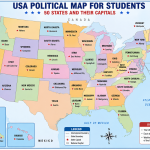
In the United States, you generally do not have to earn another four-year bachelor’s degree in education. Many states offer alternative or post-baccalaureate teacher certification routes that allow people with degrees in other subjects to enter teaching. However, requirements vary by state because teacher licensing is handled at the state level.
For example, someone with a bachelor’s degree in English may pursue certification to teach English, while someone with a degree in mathematics may pursue mathematics certification.
Can You Become a Teacher With a Non-Education Degree?
Yes.
Your bachelor’s degree can be in subjects such as:
- English
- Mathematics
- Biology
- Chemistry
- History
- Computer science
- Business
- Engineering
- Psychology
- Communications
The important question is whether your degree and coursework satisfy the requirements for the teaching subject and grade level you want to teach.
1. Choose What You Want to Teach
Start by deciding:
- What subject do you want to teach?
- Do you want to teach elementary, middle, or high school?
- Which state do you want to work in?
This matters because teacher certification requirements are different from state to state. The U.S. Department of Education specifically advises prospective teachers to check with the education department in the state where they want to teach. (U.S. Department of Education)
Your bachelor’s degree may also influence which subjects you qualify to teach.
2. Check Your State’s Teacher Certification Requirements
Before enrolling in a program, visit your state’s Department of Education website.
Look for requirements for:
Alternative teacher certification, alternative licensure, or post-baccalaureate teacher certification.
Depending on the state, you may need to complete:
- Teacher preparation coursework
- Subject-area coursework
- Teaching examinations
- Classroom observation
- Student teaching or supervised teaching
- Background checks
- A state certification application
There is no single teacher certification accepted automatically in every state. (U.S. Department of Education)
3. Complete an Alternative Certification Program
This is one of the most common options for people who already have bachelor’s degrees.
An alternative certification program is designed specifically for people who want to enter teaching without completing another traditional undergraduate education degree.
Depending on the program, you may complete teacher preparation coursework while gaining classroom experience.
Some programs can lead to an initial teaching license or certification after you meet the state’s requirements.
4. Consider a Post-Baccalaureate Teacher Certification Program
Another option is a post-baccalaureate teacher certification program.
These programs are designed for people who already have a bachelor’s degree and need the education coursework required for teacher certification.
The federal government recognizes certain post-baccalaureate teacher certification programs for federal student-aid purposes. Under specific conditions, students pursuing an initial state teacher certification can qualify for Pell Grant assistance even though they already hold a bachelor’s degree. (FSA Partner Connect)
This is a particularly useful option to investigate if you are concerned about paying for your teacher preparation.
5. Complete the Required Exams
Many states require prospective teachers to pass one or more examinations.
These may assess:
- Basic academic skills
- Reading and writing
- Mathematics
- Knowledge of the subject you intend to teach
- Teaching knowledge
The exact tests and passing scores depend on your state and certification route.
6. Gain Classroom Experience
Depending on the route you choose, you may need supervised classroom experience or student teaching.
This gives you an opportunity to learn how to:
- Plan lessons
- Manage a classroom
- Assess students
- Explain difficult concepts
- Work with parents
- Adapt instruction to different learners
Some alternative certification programs allow candidates to gain classroom experience while completing their certification requirements.
7. Complete Background and Other Requirements
Teacher candidates commonly need to complete background screening and other state-required checks.
You may also need to provide:
- Official college transcripts
- Proof of your bachelor’s degree
- Examination results
- Identification documents
- Certification application
- Fingerprints or background-check information
The exact requirements depend on the state.
8. Apply for Your Teaching License
Once you’ve completed the required coursework, exams, and practical requirements, you can apply for your state’s teaching license or certificate.
Don’t assume that completing a teacher preparation program automatically gives you a license. The state licensing authority determines whether you have met its requirements. (U.S. Department of Education)
What If Your Bachelor’s Degree Is From Another Country?
You may still be able to become a teacher in the United States.
If your degree was earned outside the U.S., you may need a credential evaluation to determine how your qualification compares with a U.S. bachelor’s degree.
The organization that ultimately determines what is acceptable depends on the purpose. For teacher licensure, the relevant state licensing authority is the key authority, and some states specify how foreign credentials must be evaluated. (U.S. Department of Education)
Can You Teach While Getting Certified?
In some states and programs, yes.
Alternative certification programs can provide routes into teaching that allow candidates to gain classroom experience while completing certification requirements.
However, whether you can work as the teacher of record before obtaining a standard license depends on the state and the specific alternative certification program.
What If Your Degree Doesn’t Match the Subject You Want to Teach?
This is where things become more complicated.
For example, suppose you have a bachelor’s degree in business administration but want to teach high-school biology.
You may need additional biology coursework before qualifying for a biology teaching certificate.
On the other hand, a business graduate may have a more straightforward path toward teaching business-related subjects if the state has an appropriate certification area.
Your college transcript is therefore important.
How Long Does It Take to Become a Teacher With a Bachelor’s Degree?
There isn’t one universal timeline.
Someone who already has the necessary subject-area coursework may need substantially less additional education than someone whose degree is unrelated to the subject they want to teach.
Your timeline can depend on:
- State requirements
- Your bachelor’s degree
- Subject area
- Grade level
- Teacher preparation program
- Required examinations
- Student teaching requirements
The fastest route isn’t necessarily the best route. Choose a program that actually leads to the license you need in the state where you intend to work.
Can You Get Financial Aid for Teacher Certification?
Possibly.
Federal rules allow limited financial-aid eligibility for certain students who already have bachelor’s degrees and are completing qualifying post-baccalaureate teacher certification programs.
For example, under specific conditions, a student pursuing an initial teacher certification may qualify for a Pell Grant for the period needed to complete the qualifying program. (FSA Partner Connect)
Some teacher preparation programs may also qualify for federal student aid, depending on the institution and program.
What Is the Best Route for You?
Your options can generally look like this:
| Your Situation | Possible Route |
|---|---|
| Bachelor’s degree in the subject you want to teach | Alternative certification or teacher preparation |
| Bachelor’s degree closely related to teaching subject | Alternative certification + additional coursework if required |
| Bachelor’s degree unrelated to teaching subject | Additional subject coursework + certification |
| Bachelor’s degree from another country | Credential evaluation + state requirements |
| Want to teach while training | Alternative certification route, where permitted |
| Want a more traditional route | Post-baccalaureate teacher preparation |
Frequently Asked Questions
Can I become a teacher with a bachelor’s degree in another field?
Yes. Many states offer alternative certification or post-baccalaureate pathways for people who already hold bachelor’s degrees.
Do I need another bachelor’s degree in education?
Usually not. Depending on your state and circumstances, you may be able to complete an approved teacher preparation or alternative certification program instead.
Can I become a teacher with a bachelor’s degree in business?
Potentially, yes. Your options depend on your state’s certification rules, your college coursework, and the subject you want to teach.
Can I become an elementary school teacher with a non-education degree?
Yes, in many states. You would generally need to complete the state’s required teacher preparation and licensing requirements.
Can I become a high-school teacher with a non-education degree?
Yes. Your bachelor’s degree may be particularly useful if it matches the subject you want to teach, such as mathematics, English, history, chemistry, or biology.
Is teacher certification the same in every state?
No. Teacher licensing is primarily regulated by individual states, and requirements can differ considerably. (U.S. Department of Education)
Final Thoughts
Having a bachelor’s degree that isn’t in education doesn’t mean your opportunity to become a teacher is over. In many cases, you can use your existing degree as the foundation for an alternative certification or post-baccalaureate teacher preparation program.
The most important first step is to identify the state and subject in which you want to teach. Then check that state’s licensing requirements before paying for a certification program.
Your existing degree may already satisfy much of the subject-area requirement, allowing you to focus on the teacher preparation, examinations, and classroom experience needed to become a licensed teacher.