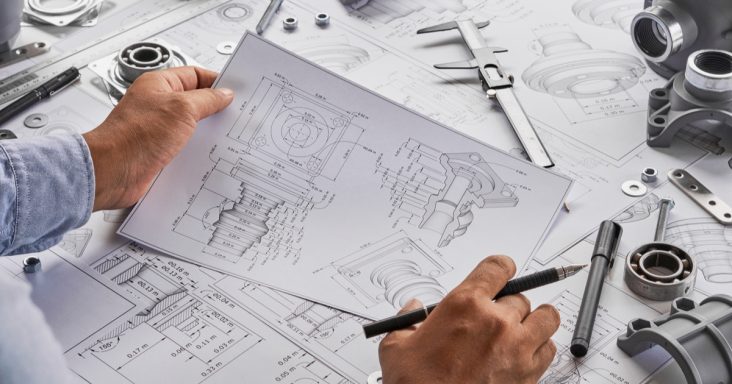
Mechanical engineering jobs are found across many industries, from manufacturing and automotive to energy, aerospace, construction, robotics, and technology. Mechanical engineers design, build, test, and improve machines, equipment, and mechanical systems.
If you’re considering mechanical engineering as a career, you may be wondering what jobs mechanical engineers can get, where they work, what qualifications they need, and how much they can earn.
This guide covers the main mechanical engineering career options and what you need to know before entering the field.
What Does a Mechanical Engineer Do?
Mechanical engineers apply principles of mathematics, physics, and engineering to design and improve mechanical systems.
Their work can include:
- Designing machines and components
- Developing mechanical systems
- Creating and reviewing technical drawings
- Testing prototypes
- Analyzing equipment performance
- Improving manufacturing processes
- Maintaining mechanical systems
- Solving engineering problems
- Managing engineering projects
- Working with computer-aided design (CAD) software
The exact work depends heavily on the industry and specialization.
Types of Mechanical Engineering Jobs
Mechanical engineering is a broad field, so a degree can lead to many different career paths.
1. Mechanical Design Engineer
A mechanical design engineer develops mechanical components, products, and systems.
Typical responsibilities include:
- Creating CAD models
- Producing engineering drawings
- Selecting materials
- Testing designs
- Improving existing products
- Working with manufacturing teams
This can be a good option for people who enjoy design, problem-solving, and working with technology.
2. Manufacturing Engineer
Manufacturing engineers focus on how products are produced.
They may:
- Improve production processes
- Design manufacturing systems
- Reduce production costs
- Improve product quality
- Troubleshoot manufacturing problems
- Work with production teams
Manufacturing engineering is common in industries such as automotive, electronics, aerospace, and industrial equipment.
3. Automotive Engineer
Mechanical engineers play an important role in the automotive industry.
They can work on:
- Engines
- Vehicle structures
- Suspension systems
- Braking systems
- Thermal systems
- Electric vehicles
- Vehicle testing
Automotive engineers may work for vehicle manufacturers, suppliers, testing organizations, or engineering consulting companies.
4. Aerospace Engineer
Mechanical engineers can also work in aerospace-related roles, particularly in areas involving mechanical systems, propulsion, thermal systems, manufacturing, and testing.
Depending on the position, engineers may work on:
- Aircraft components
- Engines
- Propulsion systems
- Cooling systems
- Mechanical structures
- Testing equipment
Some aerospace positions may require specialized aerospace education or experience.
5. Robotics Engineer
Robotics combines mechanical engineering with electronics, computer science, and control systems.
Mechanical engineers working in robotics may design:
- Robotic arms
- Automated machines
- Moving mechanisms
- Industrial robots
- Autonomous equipment
This career can be especially attractive if you’re interested in automation and advanced technology.
6. Energy Engineer
Mechanical engineers are employed throughout the energy industry.
They can work on:
- Power plants
- Renewable energy systems
- Wind turbines
- Solar equipment
- Heating systems
- Energy efficiency
- Industrial equipment
Mechanical engineering skills are particularly useful because many energy systems involve heat, fluid movement, mechanical equipment, and thermodynamics.
7. HVAC Engineer
HVAC stands for heating, ventilation, and air conditioning.
HVAC engineers design and improve systems used to control temperature and air quality in:
- Homes
- Offices
- Hospitals
- Factories
- Hotels
- Shopping centers
Mechanical engineering is closely connected to HVAC because the field involves thermodynamics, heat transfer, fluid mechanics, and energy systems.
8. Maintenance Engineer
Maintenance engineers help keep machines and equipment operating safely and efficiently.
Their work may include:
- Inspecting equipment
- Diagnosing mechanical problems
- Planning maintenance
- Reducing equipment downtime
- Managing repairs
- Improving equipment reliability
This type of role is common in manufacturing plants, factories, power facilities, and other industrial environments.
9. Project Engineer
Project engineers help plan and manage engineering projects.
They may coordinate:
- Engineers
- Contractors
- Suppliers
- Budgets
- Schedules
- Equipment
- Technical requirements
This position can be a pathway toward engineering management.
10. Mechanical Engineering Consultant
Mechanical engineering consultants provide technical advice and engineering services to organizations.
They may work on:
- Product design
- Manufacturing
- Building systems
- Energy projects
- Equipment selection
- Engineering analysis
Consultants may work for engineering firms or operate independently after gaining sufficient experience.
Other Mechanical Engineering Career Options
A mechanical engineering degree can also lead to roles such as:
- Thermal engineer
- Product development engineer
- Mechatronics engineer
- Materials engineer
- Quality engineer
- Test engineer
- Systems engineer
- Reliability engineer
- Process engineer
- Tooling engineer
- Sales engineer
- Applications engineer
- Controls engineer
- Research engineer
- Engineering manager
The job title can vary considerably between companies, even when the underlying work is similar.
Where Do Mechanical Engineers Work?
Mechanical engineers work in many industries.
Manufacturing
Factories need engineers to design equipment, improve production, and maintain machinery.
Automotive
Mechanical engineers work on vehicles, components, manufacturing, testing, and new technologies.
Aerospace
Engineers contribute to aircraft, spacecraft, propulsion, manufacturing, and testing.
Energy
Mechanical engineers work with power generation, renewable energy, and energy systems.
Construction and Building Services
Mechanical engineers can work on HVAC, plumbing-related mechanical systems, and building infrastructure.
Technology
Technology companies increasingly employ mechanical engineers to design physical products, robotics, cooling systems, and hardware.
Healthcare
Mechanical engineers can contribute to medical devices, equipment, prosthetics, and manufacturing systems.
What Education Do You Need for Mechanical Engineering Jobs?
For many entry-level mechanical engineering positions, employers typically expect a bachelor’s degree in mechanical engineering or a closely related engineering field.
Mechanical engineering programs commonly include subjects such as:
- Mathematics
- Physics
- Thermodynamics
- Fluid mechanics
- Heat transfer
- Materials science
- Engineering mechanics
- Machine design
- Manufacturing
- Computer-aided design
Some specialized or research positions may require a master’s degree or doctorate.
The licensing requirements also depend on the country and the type of engineering work you intend to perform.
What Skills Do Mechanical Engineers Need?
A successful mechanical engineer needs more than technical knowledge.
Important skills include:
Technical Skills
- CAD
- Engineering analysis
- Computer modeling
- Manufacturing knowledge
- Mathematics
- Technical drawing
- Testing and measurement
Problem-Solving
Mechanical engineers frequently encounter problems involving machines, materials, designs, costs, and performance.
Communication
Engineers often have to explain technical information to managers, customers, manufacturers, and other engineers.
Teamwork
Large engineering projects typically involve people from several disciplines.
Project Management
Understanding budgets, schedules, resources, and deadlines can become increasingly important as engineers progress into senior positions.
How to Get a Mechanical Engineering Job
If you’re still studying, start building experience before graduation.
1. Earn an Engineering Degree
A relevant bachelor’s degree is a common starting point.
2. Learn CAD Software
Familiarity with CAD tools can make your resume more competitive for design-related roles.
3. Complete Internships
Internships provide practical experience and help you understand how engineering works outside the classroom.
4. Build Projects
Personal and university projects can demonstrate your ability to apply engineering concepts.
For example, you could document a project involving:
- Mechanical design
- Robotics
- 3D printing
- Automation
- Product development
5. Create a Strong Resume
Focus on projects, technical skills, internships, and measurable accomplishments rather than simply listing courses.
6. Network
Connect with engineers, professors, professional organizations, and employers in industries that interest you.
Are Mechanical Engineering Jobs in Demand?
Mechanical engineering is used across many industries, which gives qualified engineers several potential career paths.
However, demand varies by:
- Country
- Industry
- Economic conditions
- Engineering specialization
- Level of experience
Emerging areas such as robotics, automation, electric vehicles, renewable energy, advanced manufacturing, and industrial technology can create additional opportunities for mechanical engineers.
Mechanical Engineering Jobs Without Experience
Finding your first engineering job can be challenging because many employers want practical experience.
You can improve your chances by developing:
- Internship experience
- University projects
- CAD skills
- Engineering software experience
- Technical certifications
- Relevant research experience
- Manufacturing experience
Don’t assume that you need years of professional experience before applying for entry-level positions. Graduate engineer, junior engineer, trainee engineer, and engineering technician roles can provide a starting point.
Frequently Asked Questions
What jobs can you get with a mechanical engineering degree?
You can pursue jobs such as mechanical design engineer, manufacturing engineer, automotive engineer, maintenance engineer, project engineer, HVAC engineer, robotics engineer, energy engineer, test engineer, and product development engineer.
Is mechanical engineering a good career?
It can be a strong career choice for people who enjoy mathematics, science, technology, design, and solving practical problems. The best career fit depends on your interests and the industries available in your location.
Can mechanical engineers work in robotics?
Yes. Mechanical engineers are important in robotics because robots need physical structures, mechanisms, actuators, and moving components. Robotics roles may also require knowledge of electronics, programming, and control systems.
Can a mechanical engineer work in aerospace?
Yes. Mechanical engineers can work in aerospace-related areas such as propulsion, mechanical systems, thermal systems, manufacturing, and testing. Some employers may prefer specialized aerospace education or experience.
Can mechanical engineers work in the automotive industry?
Yes. Automotive engineering is one of the major areas where mechanical engineering skills are used.
Do mechanical engineers need a master’s degree?
Not always. Many entry-level positions can be entered with a bachelor’s degree. A master’s degree can be useful for specialized technical roles, research, or career advancement.
Final Thoughts
Mechanical engineering jobs are available across a wide range of industries, making mechanical engineering one of the more flexible engineering disciplines.
You can work in manufacturing, automotive, aerospace, energy, robotics, construction, healthcare, technology, and many other fields.
If you’re considering this career, don’t focus only on the job title “mechanical engineer.” Explore different specializations and identify the type of engineering work that matches your interests.
A strong combination of engineering education, practical experience, technical skills, projects, and communication ability can give you a solid foundation for building a career in mechanical engineering.